It’s one of the first questions we hear from Phoenix dog owners: if I invest in artificial turf, will my dog just tear it apart? It’s a smart thing to ask, especially if you’ve got an enthusiastic digger or a big backyard sprinter. The short answer is reassuring, when it comes to dogs and artificial turf, a professionally installed pet system holds up remarkably well. Let’s walk through exactly what to expect and how the right installation prevents damage.
Can dogs dig up artificial turf?
Most dogs can’t dig through quality artificial turf, and here’s why: unlike natural grass, there’s no loose soil for them to sink their claws into. When a dog paws at properly installed turf, it hits a compacted aggregate base, firm, unrewarding, and nothing like the soft dirt that makes digging fun. Without that payoff, most diggers simply lose interest.
The vulnerable points aren’t the middle of the lawn but the edges and seams. A determined dog that gets a claw under a loose edge could potentially lift it, which is exactly why edging and seaming are where professional installation earns its keep.
Why professional installation makes the difference
On our pet and dog run projects, we build in several safeguards that keep turf firmly in place:
- Secured perimeters: edges are anchored with nails, staples, or bender board so there’s no lip to grab
- Strong seams: professional-grade seaming tape and adhesive keep sections locked together
- Compacted base: a firm sub-base removes the soft dirt dogs love to excavate
- Proper tension: turf stretched and fastened correctly won’t ripple or bunch under running paws
Will dogs damage the turf surface?
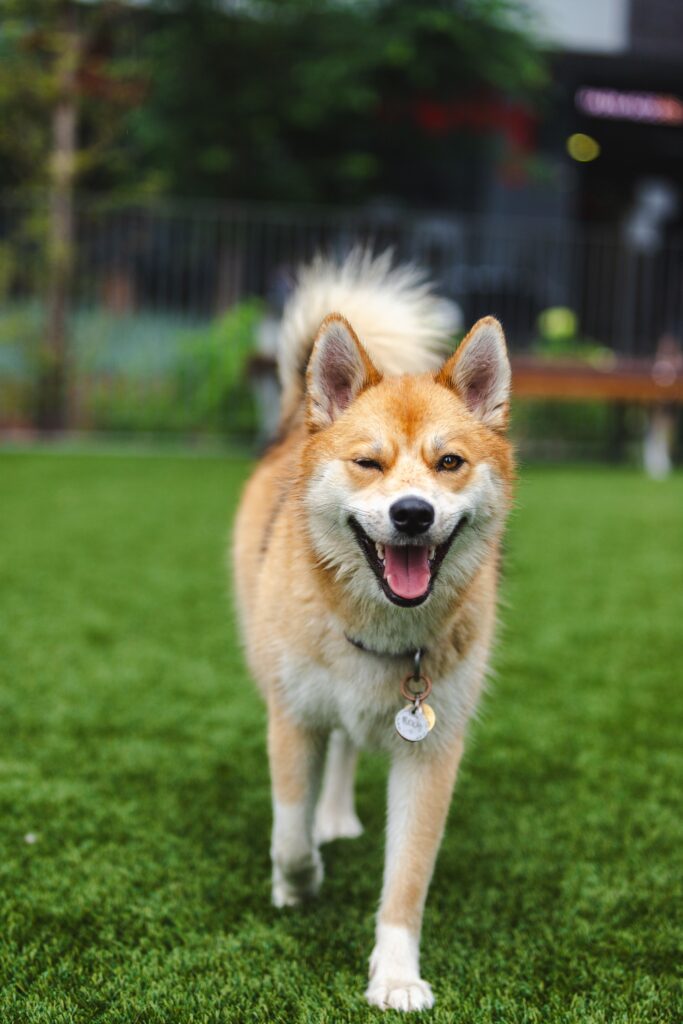
Beyond digging, owners worry about claws, chewing, and heavy traffic wearing the turf out. In practice, pet-rated artificial turf is built for exactly this. The blades are made from durable polyethylene and nylon fibers designed to take abuse and spring back.
Claws and running
Dog nails don’t puncture or shred quality turf the way you might fear. The fibers flex under pressure rather than tearing. The one thing heavy traffic can do over years is flatten fibers along a favorite path, say, the fence line your dog patrols. We counter this by choosing resilient, high-face-weight products and the correct infill depth, which helps the blades stand back up. It’s the same durability standard we bring to high-traffic sports fields.
Chewing and puppies
Puppies chew everything, and turf is no exception during the teething stage. The good news: synthetic grass is non-toxic, and once a pup outgrows teething the behavior stops. Chewing rarely causes lasting damage to a well-installed lawn, though supervising a new puppy on any surface is always wise.
The Arizona heat factor most people overlook
Here in the desert, the biggest threat to a pet lawn usually isn’t teeth or claws, it’s the sun. Under a July sun, dark turf can climb well past 150°, and a surface that hot is uncomfortable enough that a dog will paw, dig, and hunt for a cooler spot, which is often where “damage” actually starts. Prolonged UV also degrades cheap, non-stabilized fibers, causing them to fade, harden, and grow brittle years before their time. That’s why we spec only UV-stabilized, high-quality turf built for Sun Belt conditions, and why we pay attention to blade color and infill choice to keep surface temperatures manageable.
There’s one desert-specific point of caution worth naming: reflected heat. If your yard has a west-facing wall with low-E windows or a stucco surface that bounces afternoon sun onto the lawn, that concentrated glare can scorch even good turf. We assess sun exposure and reflection during every consultation and adjust the layout or add shade so your dog, and your investment, stays protected through the worst of the summer.
How to prevent damage from the start
The best defense against dogs and artificial turf problems is getting the installation right and shaping a few good habits. Here’s what we recommend:
- Insist on professional-grade seaming and securely anchored edges
- Choose a pet-specific turf with durable, resilient fibers
- Give diggers an outlet, a sandbox or dig pit in a corner of the yard
- Redirect boredom digging with exercise, shade, and enrichment
- Keep nails trimmed for general yard and household wear
Design choices that help
Smart layout reduces wear before it starts. Pairing turf with hardscape and pavers for walkways and lounging areas takes pressure off high-traffic zones, and adding shade keeps dogs comfortable so they’re less likely to dig for a cool spot. You can see how we blend these elements in our project gallery.
Built to outlast the desert, and your dog’s energy
A quality pet turf system installed by an experienced Arizona crew typically carries a 15-year product warranty, even with active dogs using it every day. Compared to a natural lawn, which dogs genuinely can destroy with digging, urine burn, and worn dirt paths, artificial turf is by far the more dog-proof choice for our climate. The key is that word “quality.” The difference between turf that lasts and turf that lifts almost always comes down to the base, the edging, and the seaming underneath.
Questions worth asking first
Will my dog be able to dig up artificial turf?
Very unlikely with professional installation. There’s no loose soil under the turf, just a firm compacted base, so digging isn’t rewarding. Securely anchored edges and strong seams remove the spots a dog might otherwise pull up.
Do dog claws damage artificial turf?
No. Pet-rated turf fibers are designed to flex under claws and paw traffic rather than tear. Over many years a favorite path may flatten slightly, but choosing resilient, high-quality turf and the right infill keeps the blades standing.
How long does artificial turf last with dogs?
A professionally installed pet turf system generally carries a 15-year product warranty, even with active dogs. Proper base construction, secure edging, and durable fibers are what make dogs and artificial turf such a lasting combination.
Want a dog-proof yard that stands up to Arizona heat and an energetic pup? Request your free estimate from Turfscapes of Arizona today, or call our team at (602) 878-6755, we’ll build a space your dog can’t tear up.