In the Valley of the Sun, a green lawn in July is a small miracle, and often an expensive one. With triple-digit heat, watering restrictions, and rising water bills, more Phoenix homeowners are trading thirsty grass for artificial turf. The natural question follows: does artificial grass add home value, or is it just a lifestyle upgrade?
Does artificial grass add home value in Arizona?
For most Phoenix-area homes, quality artificial grass adds value in the ways buyers actually care about, lower operating costs, better curb appeal, and a yard that looks great year-round. It is not a guaranteed dollar-for-dollar return like a kitchen remodel, and appraisers rarely assign a fixed line-item bump for turf. But in a desert market, a lush, low-water yard removes a real objection buyers have about Arizona living: the cost and hassle of keeping a lawn alive.
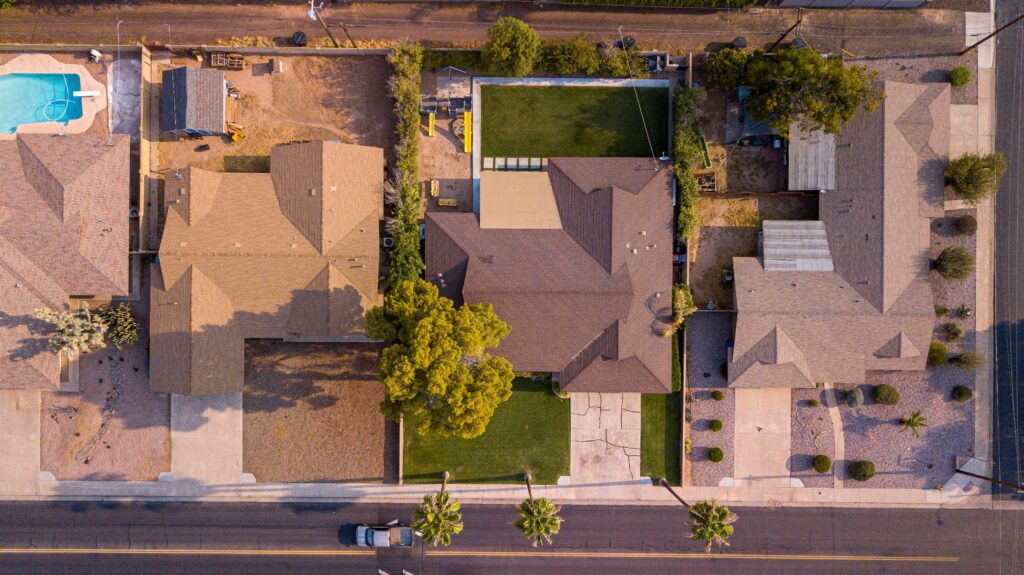
Think of it less as a magic number added to your appraisal and more as an advantage that helps your home show better, sell faster, and stand out from the listing down the street with a patchy, sun-scorched yard. In neighborhoods from Chandler to Surprise, where nearly identical floor plans compete for the same buyers, the yard is often the tiebreaker, and a green one wins more showings than a bed of dead sod and cracked dirt.
Why turf appeals to Arizona buyers
Dramatically lower water bills
Outdoor irrigation is one of the largest chunks of a Phoenix water bill, especially in summer. A natural lawn can drink roughly 57 gallons per square foot over an Arizona year, and during a stretch of 115° afternoons even a well-tended yard needs daily watering just to survive. Artificial grass needs no irrigation to stay green, so buyers see immediate, ongoing savings. In a region where water costs and long-term conservation are top of mind, and where cities continue to tighten restrictions, a low-water yard is a genuine selling point, not a gimmick.
Minimal maintenance
No mowing, no fertilizing, no reseeding bare spots every fall, and no overseeding with winter rye just to keep a little color through the cooler months. Artificial turf typically only needs occasional rinsing and a quick brush to keep the blades upright. For busy families, snowbirds who leave for the summer, and buyers who simply do not want a weekend chore list, that convenience carries real weight, especially for the many out-of-state buyers relocating to the Valley who have no interest in babysitting a desert lawn.
Year-round curb appeal
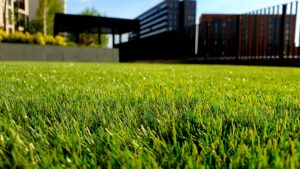
Natural desert lawns fade, thin, and brown out under relentless UV. A well-installed turf lawn stays uniformly green in January and July alike. Curb appeal drives first impressions, and first impressions drive offers, a clean, green front yard tells buyers the home has been cared for.
Family- and pet-friendly
Turf gives kids a soft, mud-free surface to play on and holds up to dogs far better than a natural lawn. If you have pets, a dedicated pet and dog run with proper drainage and infill keeps things clean and odor-controlled, another feature families shopping in the Valley appreciate.
What buyers and appraisers actually notice
When a buyer walks a desert property, they are quietly doing math, not on the turf itself, but on what the yard will cost them to own. A tidy, green, low-water landscape signals a home that is cheap to run and cared for, and that impression carries into the offer. Here is what tends to register most:
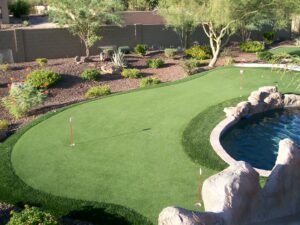
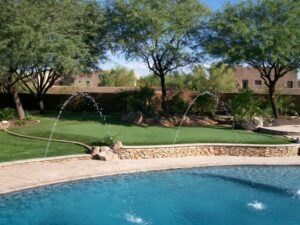
- The whole yard, not just the grass. Turf that flows into hardscape and pavers, rock and gravel, and native plantings reads as a finished, intentional space rather than a patch of green dropped onto bare dirt.
- Install quality. Appraisers and inspectors notice loose seams, visible edges, and drainage that pools after a monsoon. Clean, professional work protects value; a bargain job can quietly subtract from it.
- Photos that pop. In our experience nearly every buyer starts their home search online now, and a vivid green yard makes listing photos stop the scroll, driving the showings that lead to offers.
Compared with other outdoor upgrades, turf is one of the more efficient dollars you can spend in the desert. It costs far less than a pool, avoids the pool’s ongoing expense and buyer hesitation, and unlike seasonal plantings it does not need to be redone. That is a big part of the answer to does artificial grass add home value: the return shows up as lower carrying costs and stronger buyer confidence, both of which move a sale.
What quality installation actually looks like
Here is the honest part: the value comes from the quality of the product and the install, not the fact that turf exists. A cheap roll of grass over unprepared soil will look like a cheap roll of grass. Good turf that lasts, and impresses buyers, comes down to the details:
- A properly graded, compacted base for drainage so monsoon rain flows through instead of pooling.
- UV-stabilized fibers built for Arizona sun so the color does not wash out in a couple of seasons.
- The right infill for stability, blade support, and heat management.
- Clean edges, tight seams, and secure perimeter anchoring.
- A realistic long lifespan when installed and maintained correctly.
Done right, quality turf pairs beautifully with the rest of a low-water desert yard, hardscape and pavers, rock and gravel, and native plantings that all say “easy to own” to a prospective buyer.
Is artificial grass worth it for you?
If you plan to stay in your home for years, the payoff is mostly personal: a usable, good-looking yard and lower monthly bills you enjoy every day. If you are prepping to sell, turf helps your listing photograph well and answers the “how much work is this yard?” question before a buyer even asks it. Either way, the return shows up in real, livable ways, not just on an appraisal sheet.
Quick answers
Does artificial grass add home value when I sell?
It can help. While appraisers do not typically add a fixed amount for turf, a green, low-maintenance, low-water yard improves curb appeal and removes a common buyer concern in Arizona, which can help your home show better and sell faster.
How long does artificial turf last in the Arizona sun?
Quality, UV-stabilized turf that is properly installed and lightly maintained generally offers a long lifespan, even under intense desert exposure. Longevity depends heavily on product quality and base preparation.
Will a buyer see turf as a downside?
Occasionally a buyer prefers natural grass, but in the Phoenix market the water savings and low upkeep are far more often viewed as a benefit. A clean, well-installed lawn reads as an upgrade, not a compromise.
Curious what turf would look like, and add, at your place? Browse our project gallery or explore our artificial turf options, then request a free estimate. We will walk your yard, talk through your goals, and give you a free, itemized estimate, no pressure. Call Turfscapes of Arizona at (602) 878-6755.