When Arizona homeowners rethink a thirsty lawn, two options usually rise to the top: artificial turf or a desert (xeriscape) look built from rock, gravel, and drought-tolerant plants. Both save water and both suit our climate, but they create very different yards. Here is an honest, side-by-side look at artificial turf versus desert landscaping so you can choose what fits how you actually want to use your space.
Both options can lift curb appeal, but turf has one more edge worth reading about: how artificial grass adds to a home’s value.
The look and feel
Desert landscaping leans into the Sonoran aesthetic: decorative rock, boulders, agave, cactus, and native plants. It looks intentional and regional, and it can be beautiful. But it is a landscape you look at more than one you walk, sit, or play on.
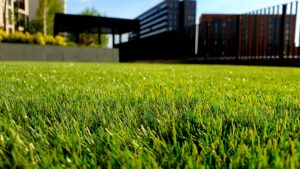
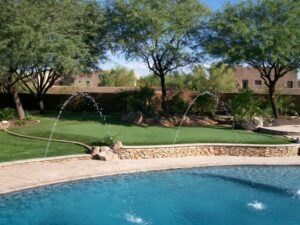
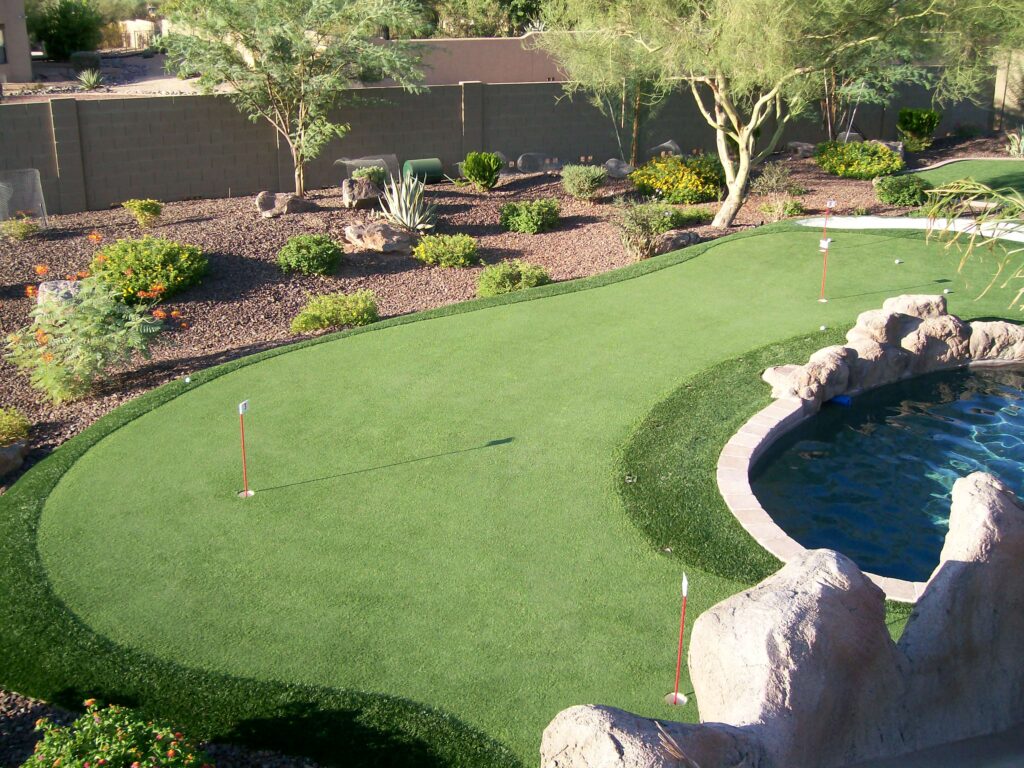
Artificial turf gives you a soft, green surface you can actually use, barefoot, with kids, with pets, for a game or a gathering. Many yards combine the two: turf for the usable areas and rock and gravel for low-traffic borders and accents. It does not have to be all or nothing.
Water and cost over time
Both options dramatically cut water use compared to a natural lawn. Pure rock landscaping uses the least water of all, since established desert plants need very little. Turf uses none for the lawn surface itself.
On cost, desert landscaping is usually cheaper up front, especially for large areas. Turf costs more to install but delivers a usable surface and needs almost no ongoing inputs. The right framing is not “which is cheaper today” but “which gives me the yard I want at a cost I am comfortable with”, because both pay you back by erasing most of a natural lawn’s water and maintenance bills.
Maintenance reality
People assume rock is zero-maintenance. It is low, but not nothing:
- Desert landscaping: weeds still sprout between rocks and need control, plants need occasional trimming, and rock thins or shifts and needs topping up over time.
- Artificial turf: an occasional rinse, a periodic brush of high-traffic spots, and clearing debris, no mowing, watering, weeding, or reseeding.
Neither is demanding, but turf tends to stay looking finished with the least ongoing thought.
Comfort in the heat
This is where the choice gets practical. Large expanses of rock absorb and radiate heat, which can make a yard feel hotter in summer. Turf runs cooler than rock, and cooler still with quality cooling infill and a rinse on the hottest days. If you want a space that is comfortable to be in, not just to look at, usable turf areas make a real difference.
Kids, pets, and everyday use
Rock is hard underfoot and tough on bare feet, knees, and paws. For families and pet owners, turf is the clear winner for the parts of the yard where life actually happens, play, lounging, and dog runs. Rock is perfect for the framing around those active zones.
Home value and curb appeal
Both upgrades boost curb appeal and signal a low-maintenance, water-smart yard, a real selling point in Arizona. A thoughtful combination often shows best: a clean green lawn area set off by desert plantings and rock reads as both lush and regionally appropriate.
So which should you choose?
Choose desert landscaping if you want the lowest water use and a purely low-traffic, native look. Choose artificial turf if you want a soft, usable, always-green surface for family, pets, and entertaining. For most Valley homeowners, the best answer is a blend: turf where you live and play, rock and desert plants where you do not. That gives you comfort, usability, and water savings all at once.
Thinking in ten-year terms
The smartest way to compare these options is over the long haul, not just the install invoice. A natural lawn keeps charging you every month in water, mowing, fertilizer, and reseeding. Rock landscaping is cheap to install and cheap to keep, but you pay in weeding, the occasional rock top-up, and a yard that runs hot and stays hands-off. Turf costs more on day one and then asks almost nothing of you for many years, while giving you a surface you actually use. When you spread each option across a decade, the gap between them narrows, and the deciding factor becomes how you want to live in the yard, not the sticker price on day one.
Design ideas that blend both
Some of the most striking Arizona yards refuse to choose between the two:
- A crisp turf lawn bordered by a clean band of decorative rock and a few sculptural agave or cactus.
- Turf pathways or stepping-stone runs cutting through a low-water gravel bed.
- A turf play area for the kids, ringed by desert plantings that need no attention.
- Pavers and turf together for a patio-and-lawn combo, with rock filling the edges and transitions.
This approach gives you the comfort and usability of turf exactly where you need it, and the water savings and regional character of desert landscaping everywhere else. It is almost always the plan we come back to for Valley yards, because it delivers the best of both without the compromises of going all-in on either one.
Frequently asked questions
Is artificial turf or rock cooler in Arizona summers?
Turf generally runs cooler than large rock areas, which absorb and radiate heat. Cooling infill and an occasional rinse keep turf comfortable on the hottest days.
Can I combine turf and desert landscaping?
Yes, and most of our favorite yards do. Turf handles the usable areas while rock, gravel, and desert plants frame and accent them.
Which adds more value to my home?
Both help by signaling a water-smart, low-maintenance yard. A well-designed combination of turf and desert elements tends to show the best.
Not sure which mix is right for your yard? Request a free estimate and we will walk your space with you and map out a plan that fits how you live.